Victorian terrace moves in Tufnell Park: Practical fixes
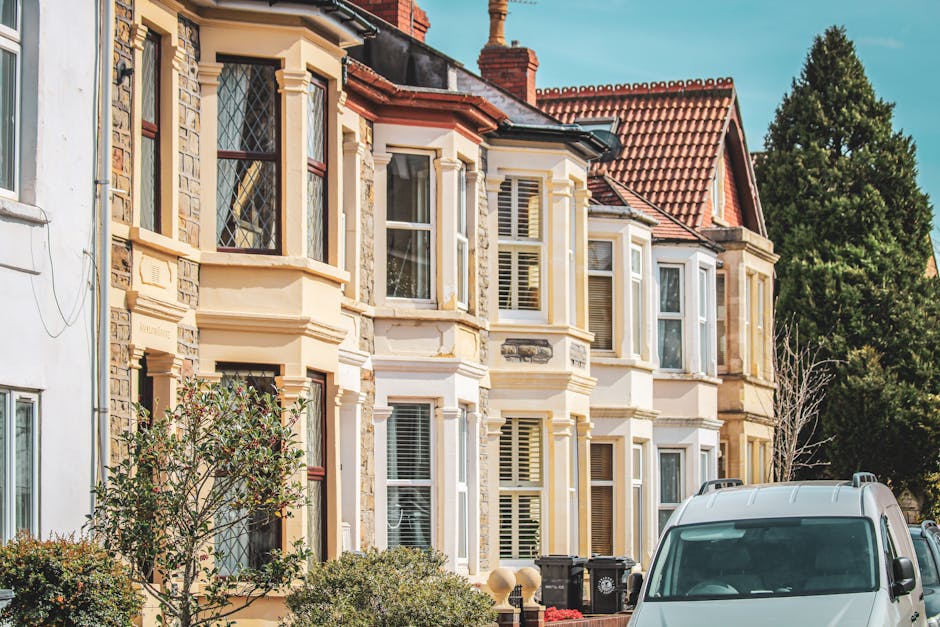
Moving out of a Victorian terrace can feel oddly charming and mildly chaotic at the same time. One minute you are admiring the high ceilings and original cornices; the next you are trying to get a sofa around a tight stair turn without scratching the wall or your patience. If you are planning Victorian terrace moves in Tufnell Park: Practical fixes, the good news is this: the usual headaches are predictable, which means they can be managed before they become expensive, stressful, or both.
This guide focuses on the real problems that come with terrace homes in Tufnell Park: narrow hallways, awkward staircases, limited frontage, parking pressure, fragile period features, and the general reality that older houses were not designed with modern furniture in mind. We will look at what makes these moves different, how to handle them properly, and which practical fixes save time on the day. If you want a smoother home move, or you are comparing support options such as home moves, house removalists, or a flexible man and van service, this article will help you make better decisions.
Expert summary: Victorian terraces reward careful planning. Measure the awkward bits early, protect the period surfaces, sort parking and access before moving day, and choose the right vehicle and crew size for the property rather than guessing. That is where the savings usually come from.
- Why this matters
- How these moves work
- Key benefits and practical advantages
- Who this is for
- Step-by-step guidance
- Expert tips
- Common mistakes to avoid
- Tools and resources
- Law, compliance, and best practice
- Options and comparison table
- Real-world example
- Practical checklist
- Conclusion
- Frequently asked questions
Why Victorian terrace moves in Tufnell Park: Practical fixes Matters
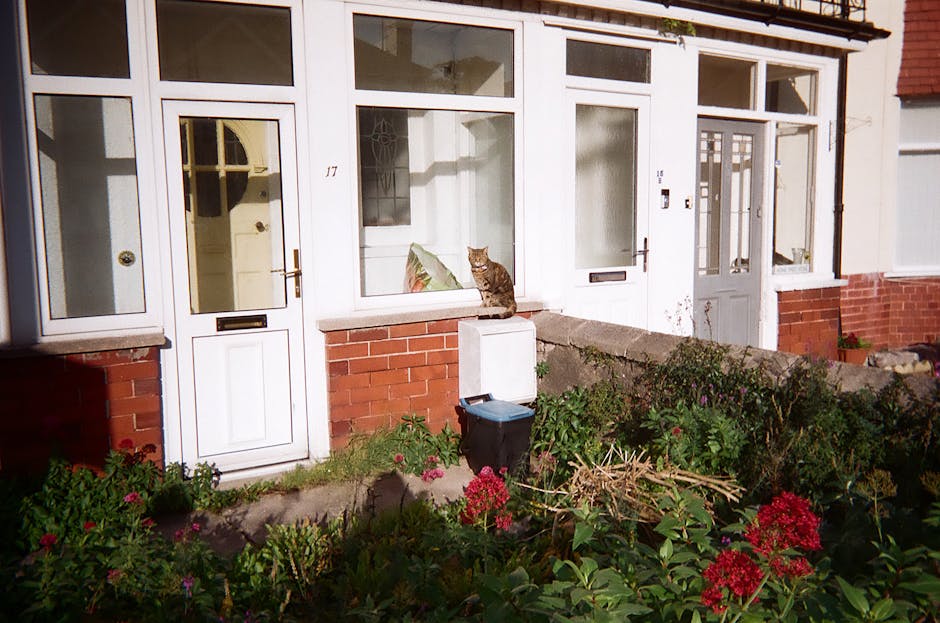
Victorian terraces are beautiful, but they can be unforgiving on moving day. In Tufnell Park, many homes have narrow front paths, compact entrances, split-level interiors, and staircases that seem to have been designed after a long lunch. Lovely to live in, less lovely when you are carrying a wardrobe with a sharp corner.
That is why practical fixes matter. They reduce friction in all the places where terrace moves tend to go wrong: access, lifting, protection, timing, and vehicle choice. You are not just moving items from A to B. You are managing a building that has quirks. Ignore the quirks and the move can start to unravel very quickly. Tackle them early and the day feels calmer, cheaper, and much more controlled.
There is another reason this matters locally. Tufnell Park has the kind of street layout where a poorly planned move can create a bottleneck fast. If you arrive with the wrong vehicle size, no parking plan, and a crew that is not expecting staircase turns or low railings, you can lose a lot of time just trying to get started. To be fair, that is when people start muttering to themselves in a way only London movers and homeowners truly understand.
Practical fixes also protect the property itself. Old plaster, original bannisters, tiled thresholds, and painted skirting can be damaged very easily. Once a corner is chipped or a banister scuffed, repairs often take more effort than the move felt worth. A careful move is not about being precious; it is about being sensible.
How Victorian terrace moves in Tufnell Park: Practical fixes Works
A good Victorian terrace move starts well before the van arrives. The real work is in preparation: measuring, sorting, planning, and matching the moving method to the layout of the house. In practice, the process usually looks like this.
1. Assess the property properly
Start with the front door, stairwell, landing width, internal turns, garden access if any, and any awkward furniture that may need partial dismantling. A tall bookcase that looked fine in a wide modern flat can turn into a small catastrophe at the first corner of a narrow terrace stair. Measure the large items, yes, but also measure the route. That is the bit people forget.
2. Decide which items need special handling
Victorian terraces often have delicate furniture, mirrors, framed art, and antiques that need extra wrapping. Heavy items like pianos, dressers, cast iron bed frames, and large sofas may need two or three people to move safely. Some items are better handled with a removal truck hire option, while smaller or lighter loads may suit a man with van arrangement.
3. Plan vehicle access and parking
Street access is often the difference between an easy move and an exhausting one. If the van has to park too far away, every box becomes a longer carry, which slows everything down and increases the risk of bumping walls or dropping items. A well-matched vehicle, such as a moving truck, can be ideal for a larger house, but only if it can realistically stop near the property.
4. Protect the building before anything starts moving
This means floor coverings, doorframe protection, corner guards, and blankets for vulnerable surfaces. It is boring work, frankly, but it saves stress. In older houses, damage often happens in the first ten minutes rather than the last ten. A strip of protection at the right place can stop a scratch becoming a repair job.
5. Load in the right order
Weight and shape matter. Bulky items should be loaded with care so they are stable in transit and easy to unload in the right order. If you know the sofa needs to come out first to clear the hallway, load it last. This sounds obvious when written down, but on a real moving morning people are often juggling tea, keys, and a disappearing box tape roll. It happens.
For some moves, especially where access is tight but the load is modest, a straightforward service like man with van can be a very practical fit. For others, especially when dismantling, packing, and delicate handling are all needed, bundled support from packing and unpacking services can remove a lot of pressure.
Key Benefits and Practical Advantages
Getting the fix right does more than prevent damage. It changes the whole feel of the move. Here are the main benefits people usually notice.
- Less damage risk: careful handling protects old plaster, stair rails, floors, and furniture edges.
- Faster loading and unloading: when access is planned, nobody wastes time improvising at the kerb.
- Lower stress: a move with a clear plan feels manageable rather than chaotic.
- Better use of labour: the right crew size matters more than simply sending more people.
- Fewer surprises: dismantling needs, parking issues, and awkward turns are identified before the day.
- Better value overall: avoiding delays and damage usually saves more than trying to cut corners up front.
There is also a quieter benefit: you keep control. That matters a lot in older homes because the house itself can seem to set the pace. A planning-heavy approach lets you steer the process instead of reacting to it as it unfolds.
For households with a lot of furniture to clear, a targeted furniture pick-up can help with bulky items you do not want to move twice. And if the move is larger or includes business equipment, the same practical thinking applies to commercial moves and office relocation services too, just with different priorities.
Who This Is For and When It Makes Sense
This approach suits anyone moving out of, into, or within a Victorian terrace in Tufnell Park. But some situations benefit especially strongly from a more considered plan.
- Families moving from a larger terrace house: usually more furniture, more boxes, and more chances for stair damage.
- First-time buyers: often new to the realities of older-home access and easy to overwhelm on moving day.
- Renters in period conversions: plenty of shared access challenges and tight communal spaces.
- Owners with antiques or fragile pieces: the move has to be handled with a lighter touch.
- People downsizing: decisions about what stays, what goes, and what is collected separately become more important.
- Busy professionals: they usually need a move that is tightly organised and time-efficient.
If you only have a few large items and a handful of boxes, a smaller support option may be perfectly suitable. If the property is packed, the staircase is awkward, and you are hoping to move the contents of an entire family home, then a more structured removal team is usually the safer call. Truth be told, choosing too small a setup is one of the quickest ways to turn a Saturday into a saga.
Step-by-Step Guidance
Here is a practical way to approach the move from the first day of planning to the final box in the new place.
- Walk the route from the front door to the largest room. Look for pinch points, low ceilings, tight turns, and bannister projections.
- Measure your biggest furniture. Do not guess. Guessing is where trouble starts.
- Decide what needs dismantling. Beds, tables, wardrobes, and shelving often benefit from partial disassembly.
- Choose the right moving support. Small moves may suit a man and van arrangement; bigger homes may need a larger vehicle or a dedicated removal setup.
- Book the team with enough time. Good moving days are built around realistic timing, not optimism.
- Sort parking and access early. Even simple street-side planning can save a surprising amount of time.
- Pack with room layout in mind. Label boxes by room and priority, not just by category.
- Protect the house. Cover floors, corners, and any high-risk touchpoints.
- Load the heaviest items first or according to the crew's system. Follow a pattern rather than ad hoc stacking.
- Unpack in the order that supports daily life. Bedding, kettle, chargers, toiletries, basics. You know the drill.
A small but useful tip: keep one box as a "first evening" box. Put the essentials in there and keep it with you. That box always matters more than people think at 8.30 pm when the place is half-settled and nobody wants to rummage through ten taped-up cartons looking for a toothbrush.
Expert Tips for Better Results
These are the practical touches that make a Victorian terrace move noticeably easier.
Take the staircase seriously
People often focus on the front door, but the staircase is where the real difficulty lives. Measure the height between rail and ceiling, note the landing width, and check whether a mattress or wardrobe can be turned without scraping. If the staircase is especially narrow, protect the walls before the first item moves.
Use soft protection, not just strength
Heavy lifting is not the only skill that matters. Blankets, shrink wrap, tape in the right places, and corner guards all play a role. A strong mover with no protection plan can still cause damage. Gentleness counts.
Break down jobs into simple sequences
For example: disconnect, protect, remove, carry, load, then confirm. That sequence is much safer than trying to do everything at once. In practice, this keeps the move tidy and helps everyone know what happens next.
Think about floor surfaces
Old floorboards, stone thresholds, and newly fitted flooring all need different treatment. Wet weather makes things worse because muddy footwear and slippery carry routes become a problem fast. A damp London morning can turn a tidy hallway into a bit of a mess, so make floor protection a priority.
Be realistic about crew size
Too few people and the job drags. Too many and the house becomes crowded, which can actually make things harder. The best setup is the one that matches the property, the volume, and the access route. Simple as that, even if it is not always easy to judge from the outside.
Use one person as the access lead
Someone should always know which items are coming out next, where they are going, and which corners are tight. It keeps the move flowing and prevents small misunderstandings from snowballing.
Common Mistakes to Avoid
Most moving headaches are preventable. The same handful of mistakes show up again and again.
- Underestimating the staircase: if a large item looks borderline, it usually is.
- Not measuring furniture before moving day: the phrase "it should fit" is a red flag.
- Leaving parking to chance: on a busy street, chance is not a strategy.
- Skipping protection: one small chip can become a costly repair.
- Packing too late: rushed packing leads to breakages and missing essentials.
- Choosing the wrong vehicle size: too small means multiple trips; too large may be awkward on a narrow road.
- Forgetting to label boxes clearly: this slows the unload and makes the evening messier than it needs to be.
One more thing: people often forget about the route inside the new property. A Victorian terrace can be just as tricky on arrival as it is on departure. You might be tempted to focus on the old house and relax once the van arrives. Do not. The second half of the move still needs proper handling.
Tools, Resources and Recommendations
You do not need a warehouse of specialist gear, but a few practical items can make a big difference.
- Furniture blankets: good for protecting polished wood, paintwork, and delicate corners.
- Stretch wrap and tape: useful for keeping drawers shut and wrapping loose parts together.
- Labels and markers: simple, but essential for room-by-room organisation.
- Doorframe and corner protection: especially helpful in narrow hallways and stairwells.
- Basic tool kit: screwdriver, Allen keys, and a small bag for bolts and fixings.
- Floor coverings: useful for protecting carpets, tiles, and wood floors during heavy traffic.
If the move involves larger household volumes, a dedicated removal truck hire arrangement may give you more capacity and a more efficient load order. If it is mainly a light-to-medium domestic move, a smaller setup can often be enough. Matching the tool to the task is half the battle.
And if you want to know more about the company behind these services, it is worth reading the about us page before you decide. For direct questions or a tailored enquiry, the contact us page is the sensible next step.
Law, Compliance, Standards, or Best Practice
For a domestic move, there is usually less formal compliance than in a commercial relocation, but that does not mean standards do not matter. Safe lifting practice, property protection, vehicle suitability, and respectful handling are all part of good service. If contractors are operating on the street, they also need to think carefully about parking, access, and avoiding obstruction. Local conditions can vary, so it is wise to plan conservatively rather than assume everything will be easy on the day.
There are also practical duties around safety. Heavy lifting should be handled with care, fragile items should be secured properly, and stair routes should be kept clear. That is especially important in Victorian terraces where small mistakes can become big ones quickly. If you are arranging the move yourself, be careful with anything that feels too heavy or too awkward to carry safely. No box of books is worth a pulled back, honestly.
For business premises, the expectations are different again. Office moves often involve confidential material, equipment, and timing pressures, which is why commercial moves and office relocation services usually require a more structured approach than a standard house move. The same careful planning principle still applies, just in a more formal setting.
Options, Methods, or Comparison Table
Different homes need different setups. Here is a simple comparison to help you think it through.
| Option | Best for | Strengths | Watch-outs |
|---|---|---|---|
| Man and van | Smaller loads, light domestic moves, flexible timing | Quick, practical, often efficient for compact jobs | May not suit larger Victorian terraces with lots of furniture |
| Man with van | Medium-sized moves, a few heavy items, short local trips | Flexible and straightforward | Can be limited if there are many bulky pieces or difficult access points |
| Moving truck | Larger house moves with more volume | More capacity, fewer trips, better for full homes | Street access and parking become more important |
| Removal truck hire | Moves with substantial furniture, careful loading, or multiple rooms | Helps with capacity and organised transport | Needs planning for access, timing, and loading order |
As a rule of thumb, the more awkward the terrace access and the more furniture you have, the more valuable proper planning becomes. A small move can be fairly straightforward. A full Victorian house move, not so much. Different beast altogether.
Case Study or Real-World Example
Here is a realistic example based on a typical Tufnell Park terrace move. A couple were leaving a three-storey Victorian house with a narrow hallway, a steep staircase, and a large wardrobe that had been assembled in place years earlier. They had already boxed most of the books, but the awkward furniture was the real issue.
The practical fixes were simple, but they made the move feel much smoother:
- they measured the wardrobe and staircase before moving day;
- they dismantled the wardrobe in advance instead of trying to force it around a tight turn;
- they protected the hallway and bannister with blankets and corner guards;
- they cleared parking space near the house;
- they kept a first-night essentials box with them.
The result was not magic. There was still effort, and a few tired sighs by the end, because moving is moving. But the day stayed organised, the property stayed intact, and the loading process ran without the usual panic that comes when a piece of furniture refuses to cooperate. That is the difference good planning makes. Quiet, practical, slightly unglamorous. Very effective.
Practical Checklist
Use this checklist in the final days before the move.
- Measure the largest furniture pieces.
- Check stair turns, door widths, and hallway pinch points.
- Decide what should be dismantled.
- Book the right size vehicle or moving support.
- Confirm parking and access arrangements.
- Protect floors, walls, and corners.
- Label boxes by room and priority.
- Pack a first-night essentials box.
- Keep tools and fixings together in one clearly marked bag.
- Set aside fragile or high-value items for special handling.
- Review the unload order so important items come off first.
- Keep phones charged and keys accessible.
If you are still refining the plan, services such as home moves and packing and unpacking services can take a lot of the pressure out of the process. And if you only need help moving one or two bulky pieces, furniture pick-up may be the more sensible fit.
Conclusion
Victorian terrace moves in Tufnell Park do not have to be difficult. They do, however, need practical fixes rather than hope and best intentions. Measure the awkward spaces, protect the property, choose the right vehicle, plan the loading order, and keep the move grounded in what the house can actually handle. That is the formula.
The real goal is not simply to get everything out of the old address. It is to arrive at the new one with your furniture, your walls, and your nerves in decent shape. That is what makes the move feel like progress instead of punishment.
Get a free quote today and see how much you can save.
And if you are right in the middle of planning, take a breath. One careful decision at a time is enough.
Frequently Asked Questions
What makes Victorian terrace moves in Tufnell Park different from a normal house move?
The main difference is the layout. Victorian terraces often have narrow stairs, tight hallways, period features, and limited frontage, so access and protection matter more than they do in many newer homes.
Do I need a large moving truck for a Victorian terrace?
Not always. It depends on volume, access, and the number of bulky items. Some homes suit a smaller van-based setup, while others work better with a larger truck or dedicated removal vehicle.
What is the best way to protect old walls and bannisters?
Use furniture blankets, corner guards, and floor protection before the first item moves. The key is to protect the pinch points where furniture is most likely to scrape.
Should I dismantle furniture before the move?
If a piece is large, awkward, or borderline for the staircase, dismantling is often the safer option. Beds, wardrobes, and some tables are common candidates.
How early should I plan parking for a terrace move?
As early as possible. Parking affects loading speed, carrying distance, and the risk of delays, especially on busy residential streets.
Is a man and van service enough for a full terrace house?
Sometimes, but not always. It can be suitable for smaller loads or partial moves. For a full house, you may need more capacity and a larger crew.
What should go in a first-night box?
Keep essentials such as toiletries, chargers, keys, a kettle or basic tea items, toilet paper, a change of clothes, and any important documents you want close by.
How do I move heavy items safely down narrow stairs?
Plan the route, use enough people, keep the item stable, and protect the walls. If something feels too heavy or too awkward, stop and reassess rather than forcing it.
Can packing services really make a difference?
Yes. Good packing saves time, reduces breakage, and makes unloading much easier. For busy households or fragile items, it can be a very practical investment.
What mistakes cost the most time on moving day?
Usually underestimating access, leaving parking unresolved, and not measuring bulky furniture in advance. Those three issues create most of the avoidable delays.
Are Victorian terrace moves more expensive?
They can be, depending on access, amount of furniture, and how much handling is needed. The property itself does not automatically make the move expensive, but it often increases the planning required.
When should I ask for professional help?
If you have narrow stairs, multiple floors, large furniture, or limited time, it makes sense to get help early rather than trying to improvise later.